
XO Lo Mein | XO酱捞面 Recipe

Updated: Jun 10
First off, no, this is probably not “authentic” in the strict traditional sense, but honestly, that’s perfectly fine. Lo mein itself has evolved differently depending on region, migration, and household habits.

Cabbage, Carrot, Bean Sprouts and Reserved Bamboo Shoots...
Some versions are very light and soy-forward, some are heavily sauced, while others lean closer to Cantonese chow mein territory. This version sits somewhere in between. More home-style, more wok-driven, and definitely influenced by the kind of cooking I grew up around.
The term “lo mein” actually comes from the Cantonese word 捞面, which roughly translates to “mixed noodles” or “tossed noodles.” Traditionally, the noodles are boiled first, then tossed with sauce rather than aggressively fried until crispy.

That’s what separates it from chow mein, where the noodles are often fried harder for texture. Over time, especially outside of China, lo mein became associated with takeout-style saucy noodles packed with vegetables and proteins.
What I like about this dish is that it feels practical and adaptable. The vegetables can change depending on what’s in the fridge. The sauce can be lighter or richer depending on your mood. The important thing is the heat of the wok and the timing of the noodles. Once the noodles sit around too long after boiling, they turn sticky and clump together.

But when everything comes together properly over high heat, the noodles soak up the sauce beautifully while still keeping that springy texture.

Ingredients:
(Serve 4)
Egg Noodles, 250g
Sea Salt, Pinch
Rapeseed / Sunflower / Canola / Peanut Oil, 2 TBSP Or Pork Lard Homemade
Bean Sprouts, A Handful
Cabbage Thinly Sliced, 1/4
Carrot Matchstick Cut, 1/2
Preserved Bamboo Shoots, 1 TBSP
Black Pepper, Pinch
Garlic Finely Minced, 3 Cloves
Ginger Finely Minced, 2"
Scallions White Part, 2 Stalks
Brown Sauce Homemade, 1/4 Cup
Dark Soy Sauce, 1 TBSP
ShaoXing / Hua Tiew Wine, 1 TBSP
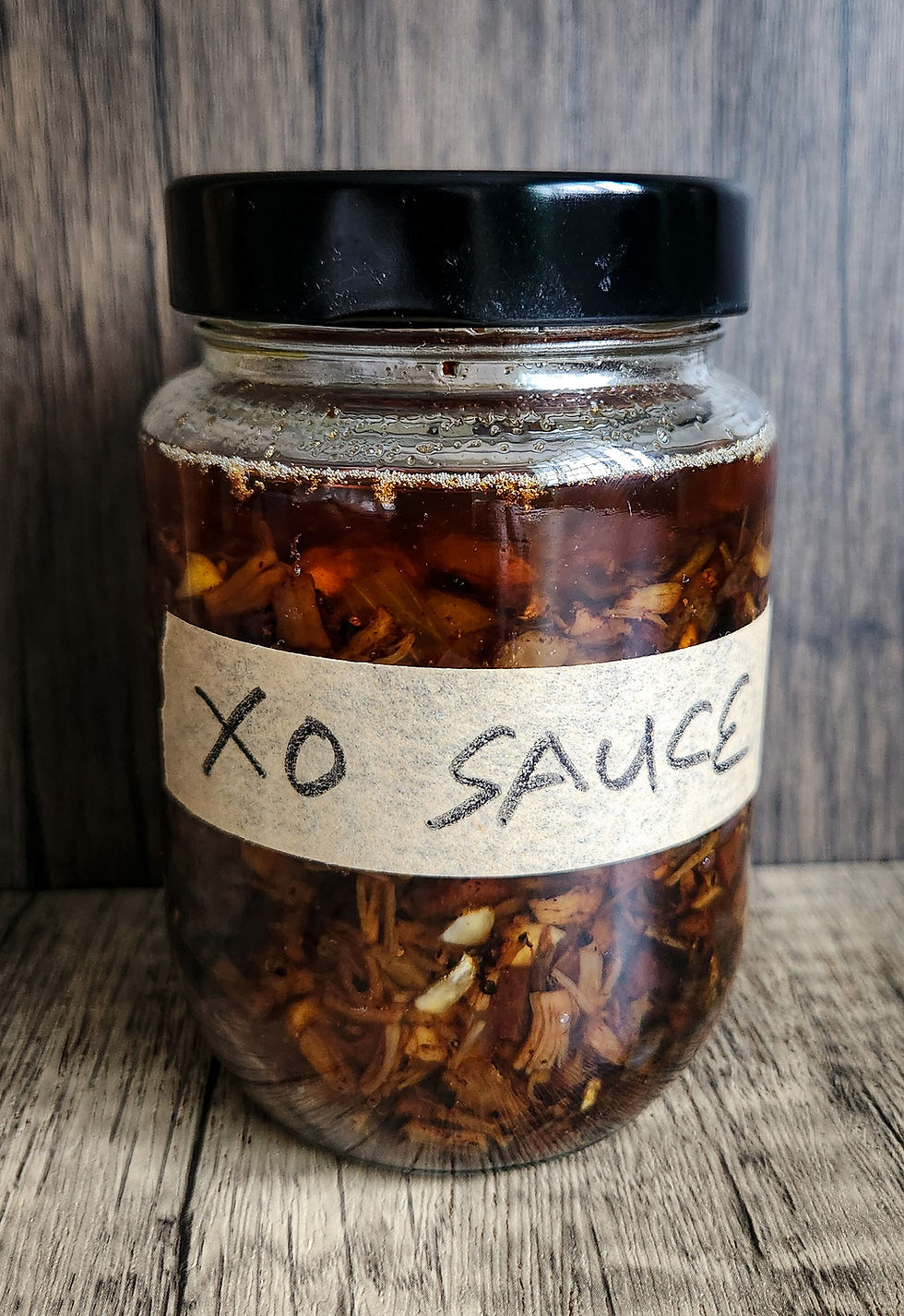
XO Sauce Homemade, 1 TBSP
Black Vinegar, 1 TBSP
Scallions Green Part, For Garnishing
Equipment:
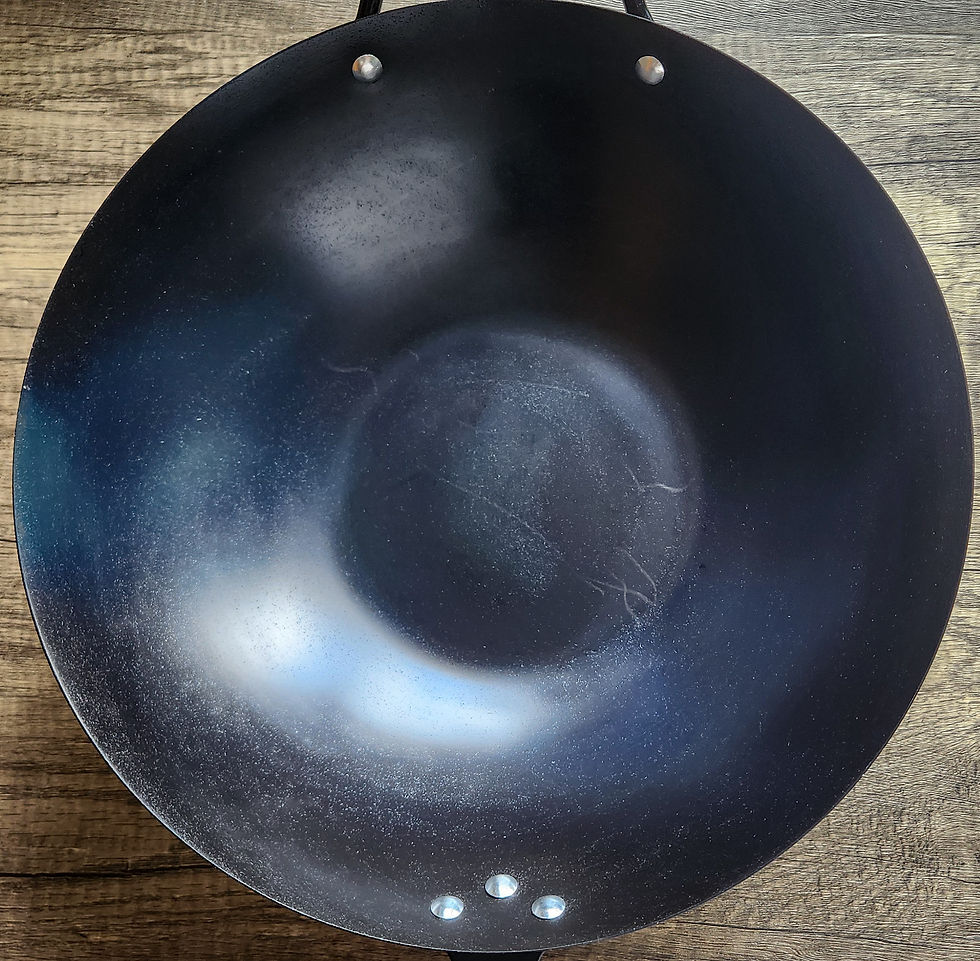
Cast Iron Skillet / Carbon Steel Wok
Sauce Pot
Directions:
Please visit my "Brown Sauce" page for the recipe.
Please visit my "XO Sauce" page for the recipe.
Cook the noodles
Bring a pot of water to a simmer and season lightly with salt.
Add the egg noodles and cook until just tender.
Drain and set aside briefly.
Important tip
Try to time the noodles so they finish cooking while the vegetables are stir frying.
If cooked noodles sit around too long, they can turn sticky and clump together.
Prepare the wok
Heat a wok or skillet over medium-high heat.
Add oil and let it heat up properly.
Cook the vegetables
Add bean sprouts, cabbage, carrots, and preserved bamboo shoots.
Season lightly with salt and black pepper.
Stir fry until the vegetables begin to soften slightly while still keeping some texture.
Cook the aromatics
Add garlic, ginger, and the white parts of the scallions.
Stir fry until fragrant.
Add the noodles
Add the cooked noodles directly into the wok.
Toss immediately to combine with the vegetables.
Important wok tip
Keep the wok hot.
If the heat is too low, the noodles may stick and become soggy instead of springy.
Build the sauce
Add brown sauce and dark soy sauce.
Toss until the noodles are evenly coated and glossy.
Deglaze and finish
Add Shaoxing wine and stir fry briefly.
Taste and adjust seasoning if needed.
Turn off the heat and add XO sauce and black vinegar.
Give everything one final toss.
Serve
Transfer onto serving plates.
Garnish with the green parts of the scallions.
Serve immediately while hot.

Slurpicious...
Important Wok Tip
When using a newly seasoned carbon steel wok, avoid cooking acidic or very wet dishes during the first few uses. Tomato sauces, vinegar-heavy dishes, soups, and stews can weaken or strip the fresh seasoning layer. Start with oil-based stir-fries, fried rice, scallions, ginger, or proteins instead. This helps strengthen the seasoning naturally over time.


What I like about eggy car is that the controls are simple, but improving your distance takes real practice. It's the kind of game that's easy to revisit during short breaks.