
Char Kway Teow (Stir-Fried Flat Rice Noodles) | 炒粿条 Recipe

Char Kway Teow has always been one of my favorite Singapore hawker dishes. There is something magical about a plate of properly cooked kway teow. The smoky aroma from the wok, the sweet savoriness of dark soy sauce, the richness of pork lard, and the slight char that develops on the noodles.

It looks simple on paper, but anyone who has tried making it at home knows it is a dish built entirely on technique and timing.
The dish originated among Chinese communities in Penang, Singapore, and parts of Malaysia, particularly among the Teochew and Hokkien communities. Traditionally, it was considered working-class food.
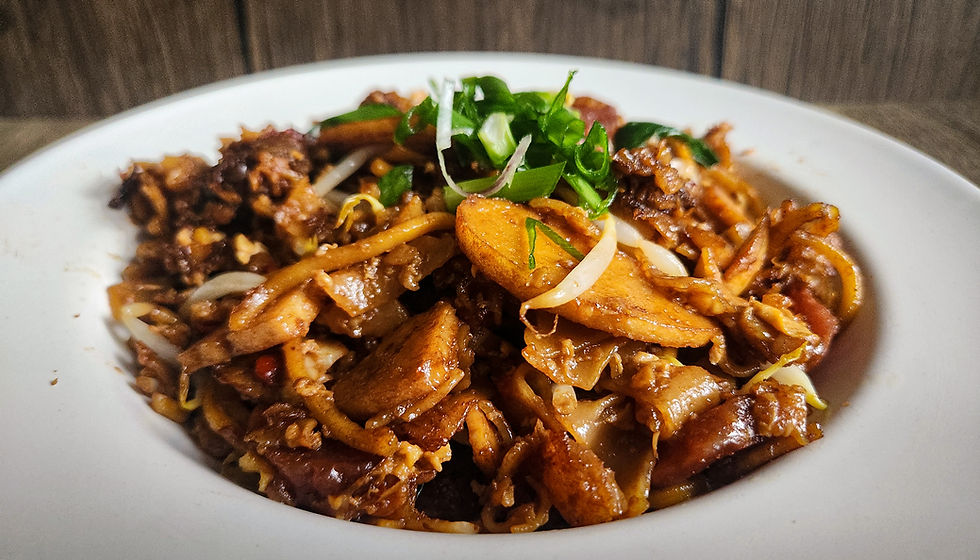
Cheap noodles stir fried over blazing charcoal fires with whatever ingredients were available. Back then, pork lard, cockles, fish cake, eggs, and bean sprouts were common additions. The intense heat from charcoal stoves created the signature wok hei that made the dish famous throughout Southeast Asia.
I might be a little biased, but I feel many modern versions have lost some of that spirit. Not because the hawkers aren't hardworking, but because volume and speed often take priority.

When you're cooking hundreds of plates a day, consistency becomes more important than craft. Making it at home reminds me why this dish became famous in the first place.
You can take your time, control the heat, and pay attention to every step. The result is a plate of noodles that tastes exactly the way you want it to.

Ingredients:
(Serve 1)
Clams, 500g
Sauce:
Dark Soy Sauce, 2 TBSP
Light Soy Sauce, 1 TBSP
Kecap Manis, 2 TBSP
Fish Sauce, Splash
Sambal Homemade, 1 TBSP Adjust To Preference
Char Kway Teow:
Pork Lard Homemade, 2 TBSP
Garlic Finely Minced, 3 Cloves
Kway Teow | Flat Rice Noodles, 150g
Yellow / Egg Noodles, 50g
Chinese Sausage, A Handful of Slices
Fish Cake, A Handful of Slices
Bean Sprouts, A Handful
Chives / Scallions Sectioned, A Handful
ShaoXing / Hua Tiew Wine, A Splash
Egg Lightly Beaten, 1
Sea Salt, Pinch
Black Pepper, Pinch
Black Vinegar, A Splash (Optional)
Scallions Coarsely Sliced, A Handful
Equipment:
Cast Iron Skillet / Carbon Steel Wok
Sauce Pot
Directions:
Please visit my "How To Make Sambal" page for the recipe.
Please visit my "How To Make Pork Lard and Beef Tallow at Home" page for the pork lard recipe.
Prepare the Clams
Wash the clams thoroughly.
Soak them in lightly salted water for about 30 minutes to help remove any grit.
Transfer the clams into a pot with a small splash of water.
Cover and steam until the shells open.
Drain the liquid and reserve it. This liquid is known as clam liqueur and adds extra flavor to the sauce.
Once cool enough to handle, remove the clam meat from the shells and discard the shells.
Set the clam meat aside.
Prepare the Sauce
Combine the dark soy sauce, light soy sauce, kecap manis, fish sauce, sambal, and 1 TBSP of the reserved clam liqueur.
Mix well and set aside.
Prepare the Wok
Have all ingredients prepared and within reach before starting.
Char kway teow cooks very quickly, so there is little time to prepare ingredients once the cooking begins.
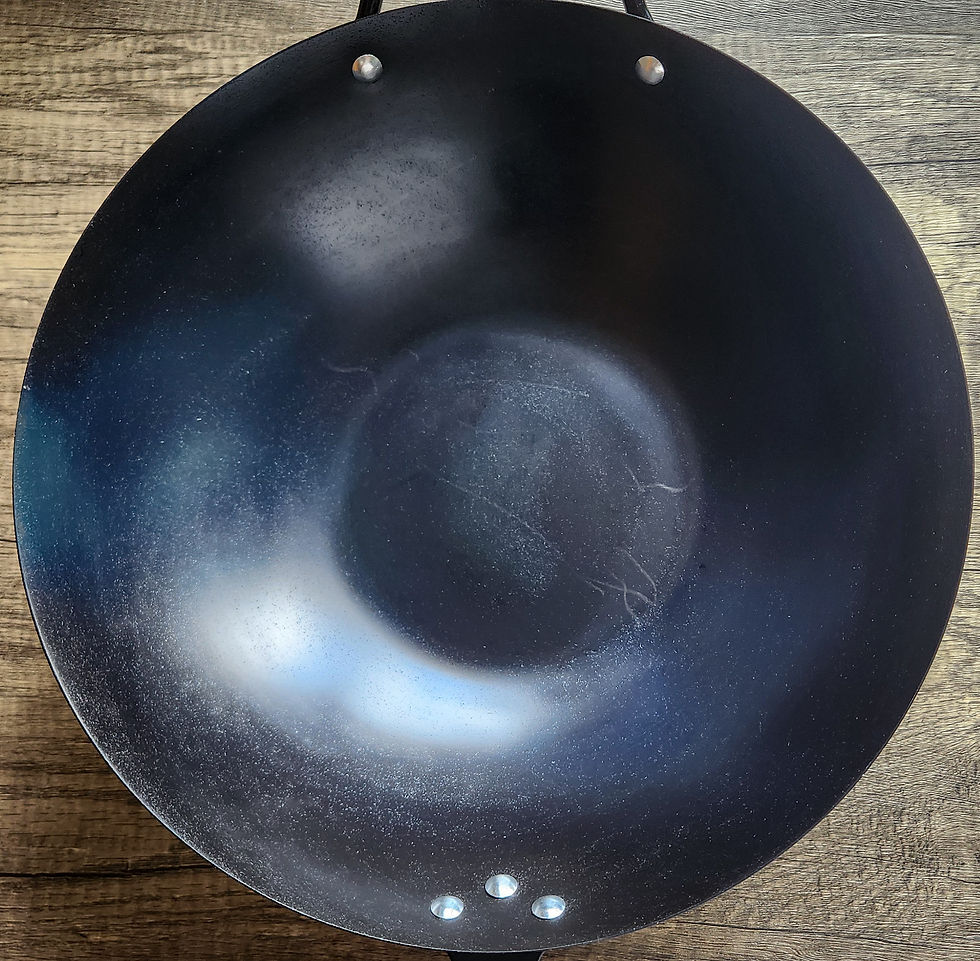
Heat a carbon steel wok until lightly smoking.
Turn off the heat briefly and add the pork lard.
Swirl to coat the wok evenly.
Return the wok to medium-high heat.
Stir Fry the Noodles
Add the garlic and stir fry until fragrant.
Add the rice noodles and egg noodles.
Toss until the noodles loosen and separate.
Add the Chinese sausage and fish cake.
Continue stir frying until the sausage softens slightly.
Add the bean sprouts.
Toss briefly.
Pour in the prepared sauce.
Continue stir frying until the noodles are evenly coated.
Add the chives or scallions.
Toss again until everything is well combined.
Finish the Dish
Deglaze the wok with a splash of Shaoxing wine.
Add the clam meat and beaten egg.
Continue stir frying until the egg is cooked and lightly coats the noodles.
Taste and adjust seasoning with salt, pepper, or a splash of black vinegar if desired.
Transfer to a serving plate.
Garnish with scallions and serve immediately.

One of my favorite Singapore hawker food...
Important Wok Tip
When using a newly seasoned carbon steel wok, avoid cooking acidic or very wet dishes during the first few uses. Tomato sauces, vinegar-heavy dishes, soups, and stews can weaken or strip the fresh seasoning layer. Start with oil-based stir-fries, fried rice, scallions, ginger, or proteins instead. This helps strengthen the seasoning naturally over time.
Tips
Wok Hei Matters
The wok should be very hot before the noodles go in, or the noodles will stick.
A hot wok creates the smoky flavor known as wok hei, which is one of the defining characteristics of good char kway teow.
Don't Crowd the Wok
If making multiple servings, cook in batches.
Overcrowding lowers the temperature and causes the noodles to steam rather than fry.
Pork Lard Makes a Difference
Traditional char kway teow relies heavily on pork lard for richness and flavor.
It is one of the reasons older-school versions taste so different.
Clam Liqueur Is Liquid Gold
Do not throw away the liquid released by the clams.
A small amount added to the sauce gives the noodles extra depth and seafood flavor.
Cockles Are Traditional
If you can find fresh cockles, they are the more traditional choice.
The clam version is delicious and easier to source for many home cooks.


Love the tip about saving the clam cooking liquid for the sauce; since fresh cockles are so hard to find, using that clam liqueur to get that deep seafood flavor is a brilliant workaround! AI daily report
What I like about eggy car is that the controls are simple, but improving your distance takes real practice. It's the kind of game that's easy to revisit during short breaks.